Empowering Her at the Houses of Parliament
Introduction
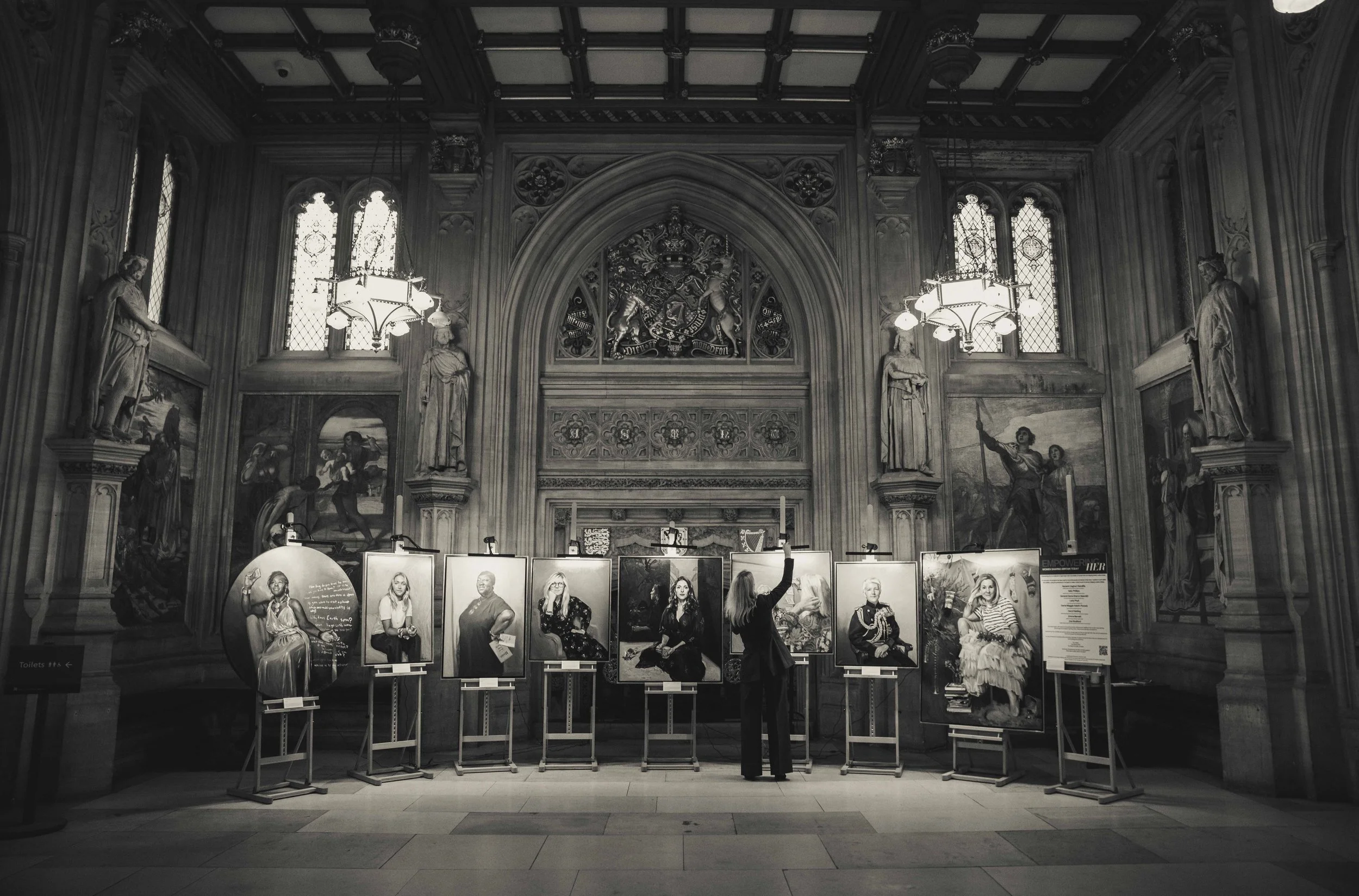
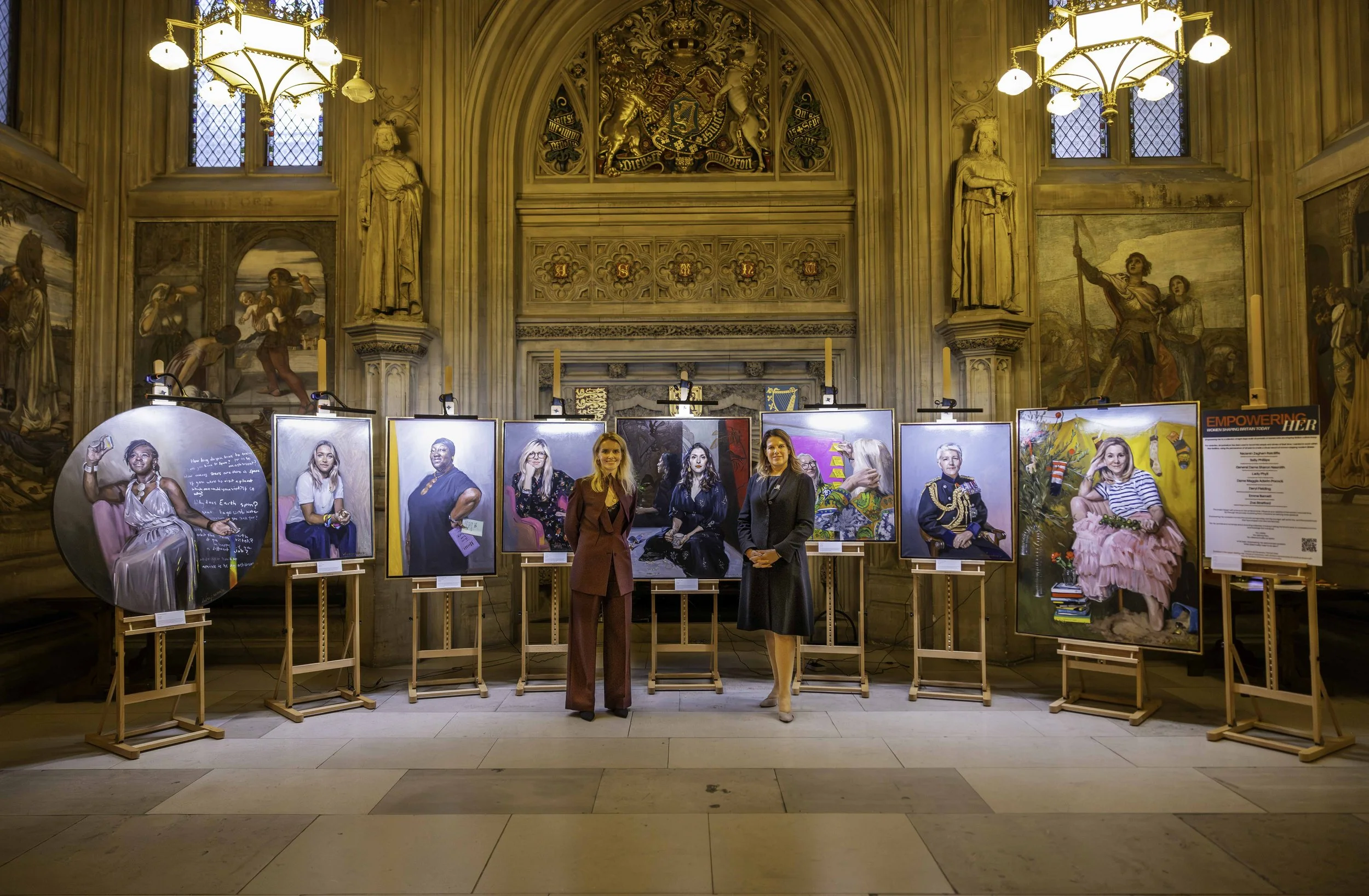
The Empowering Her Collection are on display at the Houses of Parliament. The collection of portraits are hanging in the Upper Waiting Hall at the House of Commons, a fitting home for an exhibition celebrating women shaping Britain today.
On Monday 14 September 2026, the opening night was held for Empowering Her at the Houses of Parliament. Guests gathered in the Upper Waiting Hall, House of Commons, for an evening of arrival and viewing, followed by opening remarks from the Rt Hon Caroline Nokes MP, Deputy Speaker of the House of Commons and former Chair of the Women and Equalities Committee, who formally opened the exhibition. Caroline de Peyrecave then gave a short introduction to the collection, reflecting on the stories and process behind the portraits.
After everything that has happened with this project, from first approaching the women, to painting them, exhibiting them at Green & Stone in March, welcoming more than 700 visitors in ten days and raising over £10,000 for UN Women UK, seeing all eight paintings standing together inside Parliament felt like another extraordinary moment in their journey. The Upper Waiting Hall sits right in the working heart of Parliament, so MPs, peers, staff and visitors are constantly passing through.
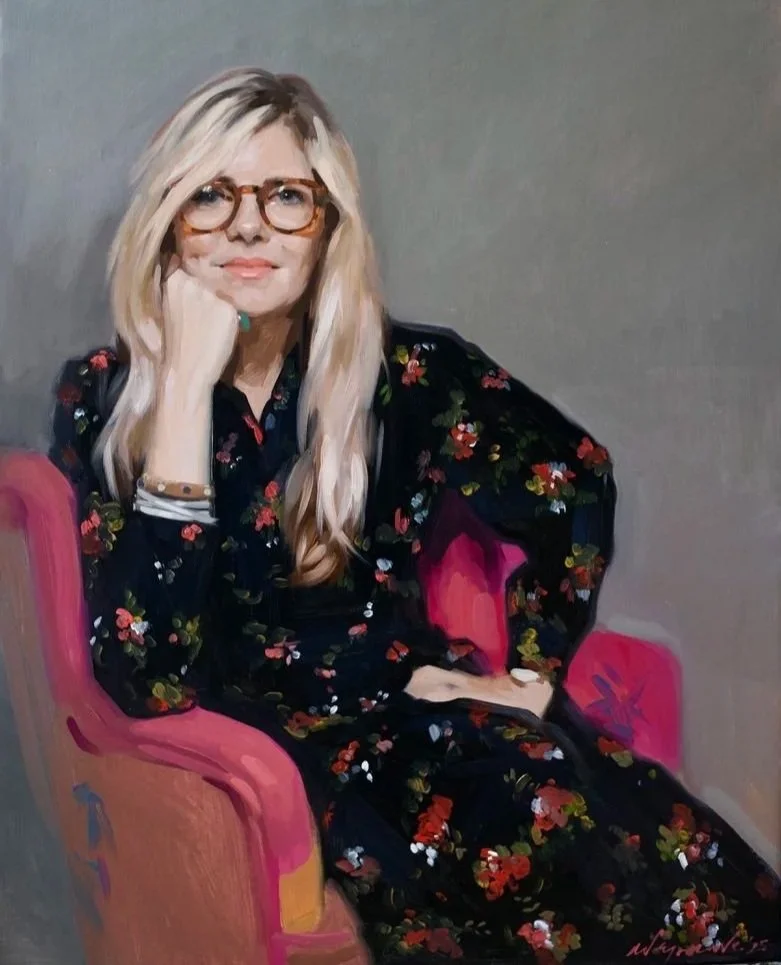
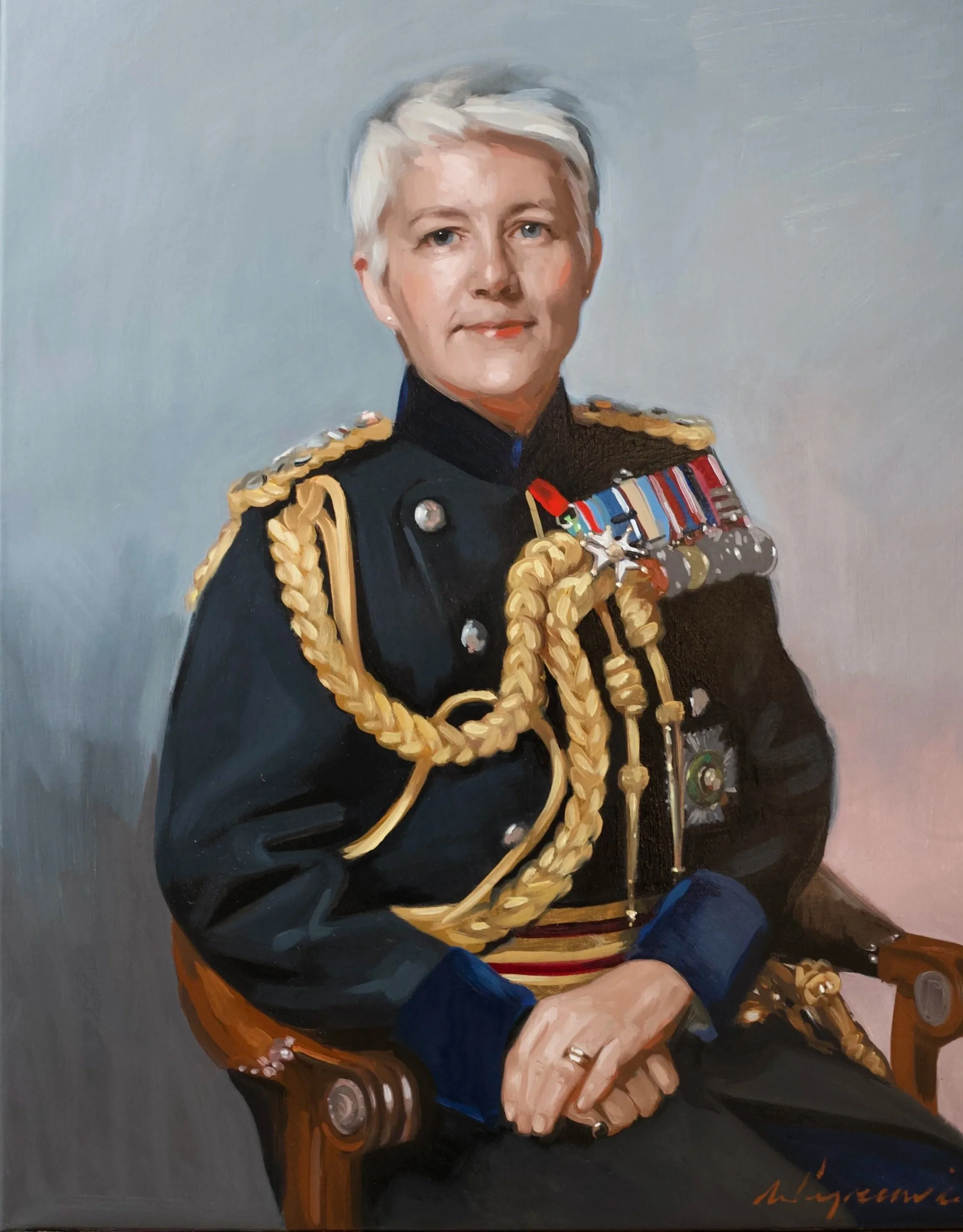
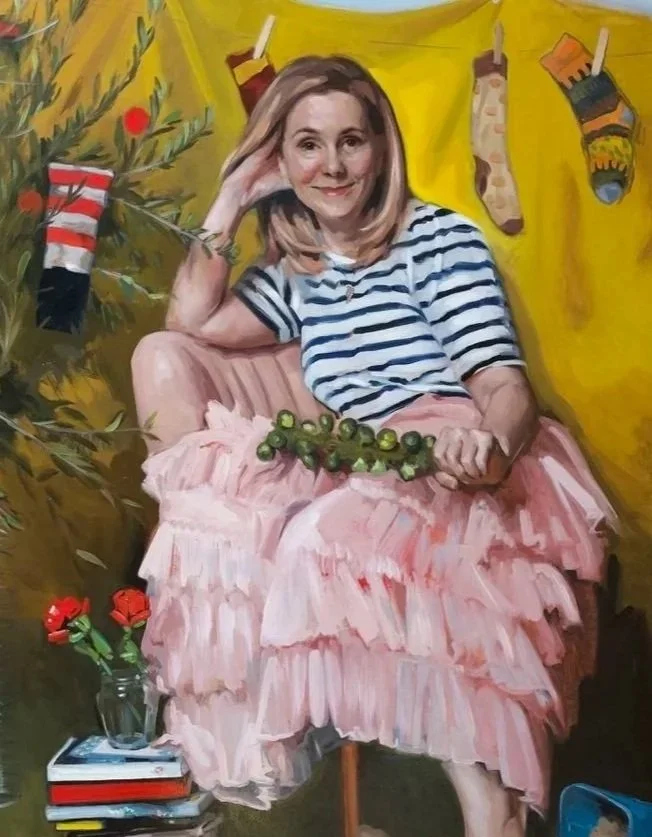
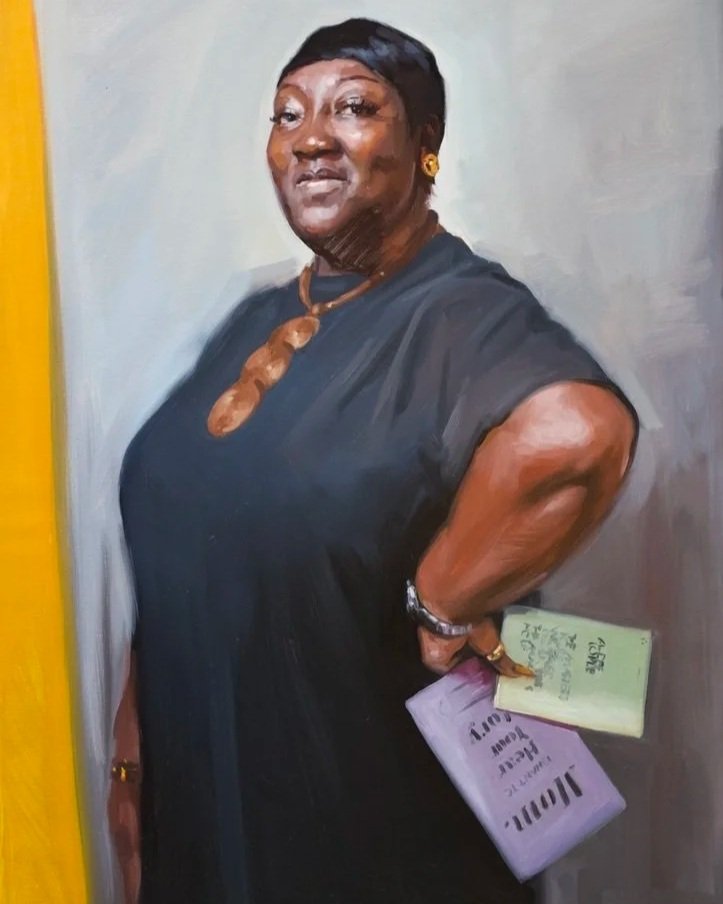
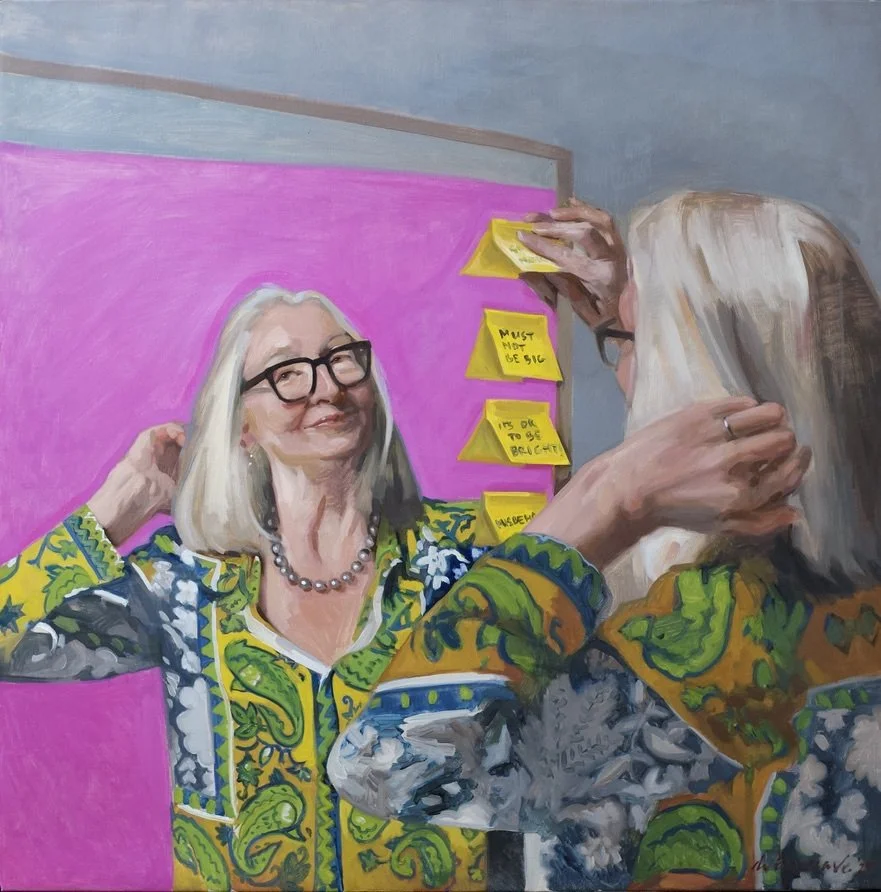
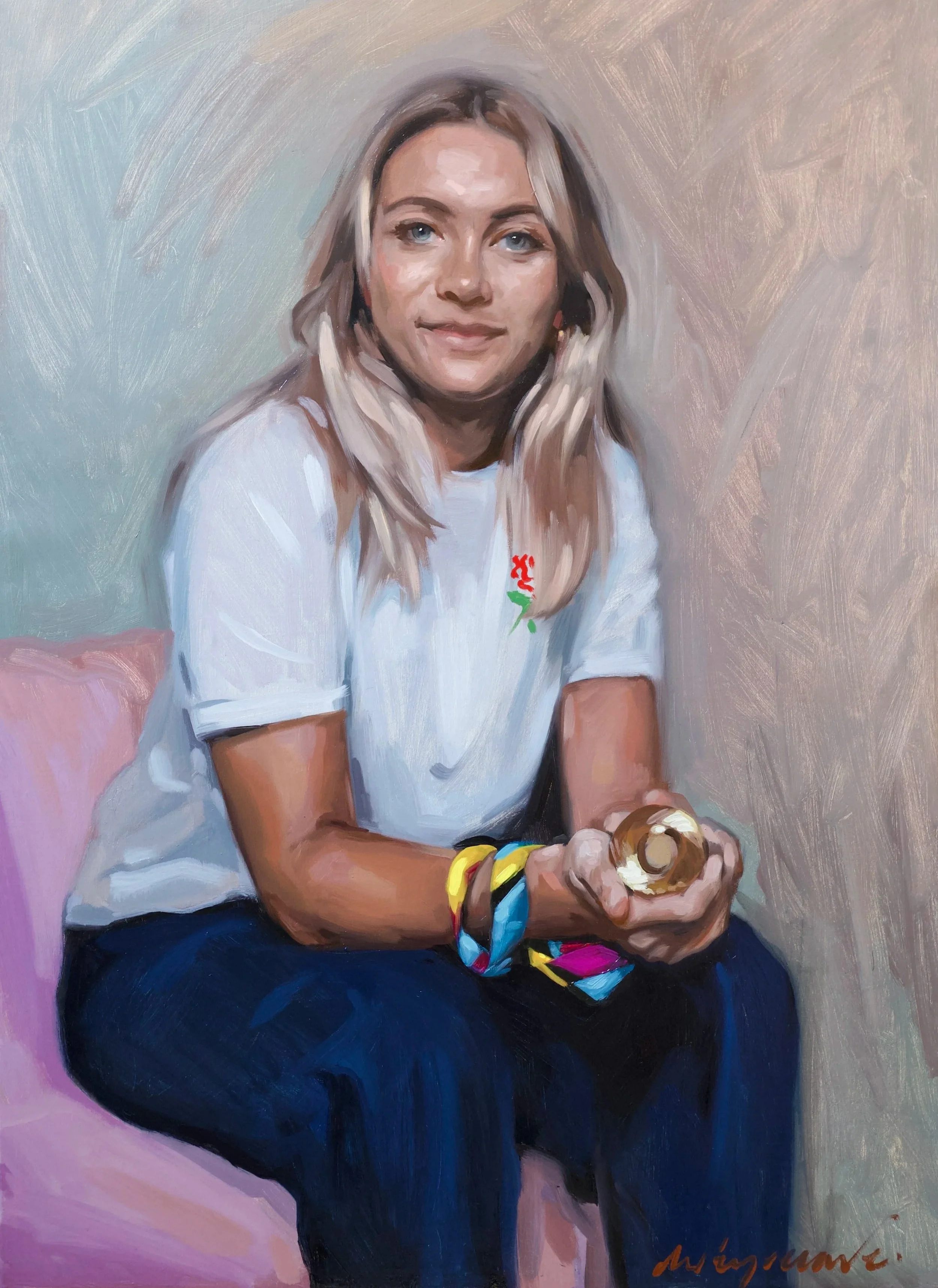
The story behind the Collection
Opening night address, delivered by Caroline de Peyrecave.
“Good evening, and thank you all so much for being here.
Firstly, I want to thank Caroline Nokes MP, Deputy Speaker of the House of Commons, for sponsoring this exhibition and making it possible for Empowering Her to be shown here in the Upper Waiting Hall. It is incredibly special to see these paintings together again, and particularly to see them here, in the Houses of Parliament.
And most especially, I want to thank the women whose portraits surround us, who trusted me with their time, their stories and their faces.
For centuries, oil painting has been used to record power. When we walk through our national galleries, the walls are overwhelmingly filled with men.
Those portraits endure because oil endures. They stand the test of time.
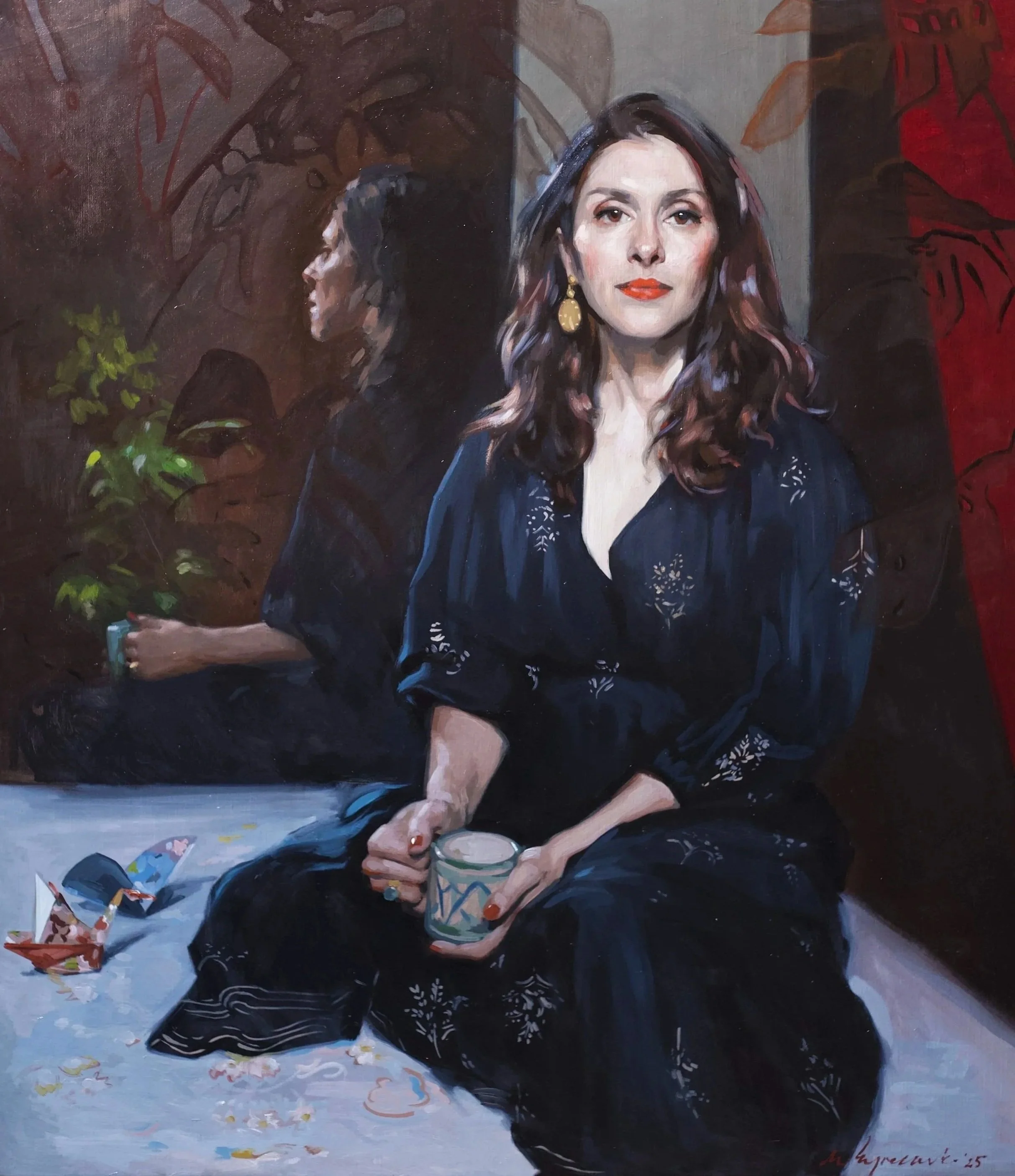
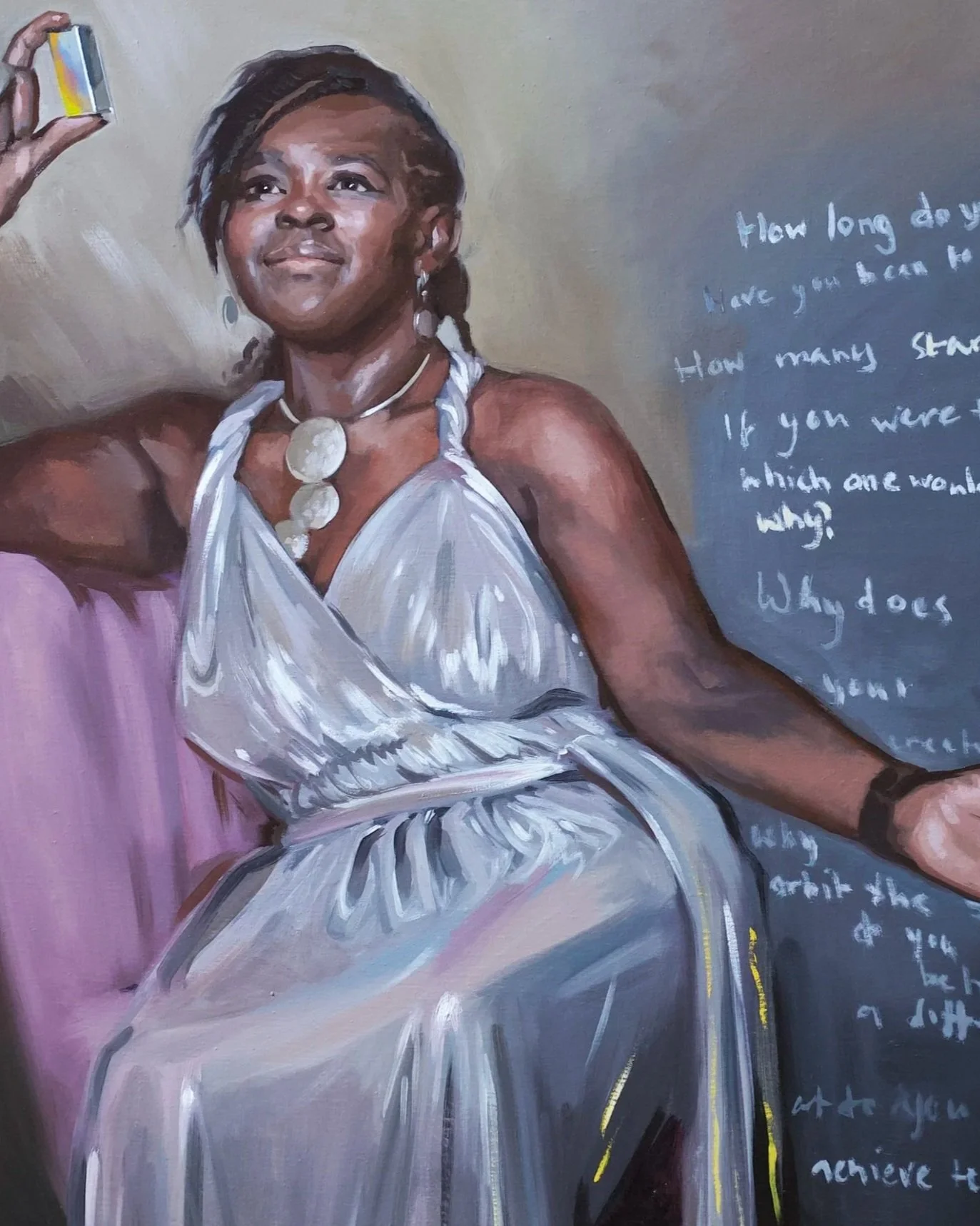
I began this project because I wanted to use that same medium, and that same permanence, to record women who are shaping our culture now.
I wanted their faces to become part of the visual record of our time.
And having these portraits hanging here, in a building in which so much of our country's history has been shaped, feels particularly significant.
But as the project developed, something shifted for me.
It began as Empowering Women. I was thinking about the women I was painting. Their achievements, their influence, their visibility.
And then I realised it was about something more personal.
It became Empowering Her.
Not just the outward facing woman, but the younger self within her. The girl who absorbed judgement, comparison, doubt and fear. The part of us that sometimes still hesitates, even when we appear confident on the outside.
And I think there is an important difference between being visible and truly being seen.
We can recognise someone's achievements. We can know their name. We can see the public version of them.
But portraiture asks us to stop and look for longer.
Portraiture can be about status. But it can also be about affirmation.
About saying: you matter.
You belong here.
You deserve to take up space.
And I think where we choose to put images like these matters too.
When portraits move beyond galleries and into the places where people work, lead and make decisions, they become part of the culture of those spaces.
They ask us to think about who we celebrate, whose stories we make visible, and what we want the next generation to see when they look at the walls around them.
Each of the women in this exhibition has shaped British culture in very different ways. Through activism, leadership, science, media, the arts and community.
But what connects them is resilience, curiosity and a refusal to shrink.
And perhaps that is what Empowering Her is really about.
Not simply celebrating what these women have achieved, but recognising the person behind those achievements, and creating something permanent that says:
She was here.
She mattered.
And she was seen.
Thank you for being here and for being part of it.”